How to Reduce Construction Cost Without Sacrificing Quality
If you want to know how to reduce construction cost without compromising on quality, you need to focus on planning, clear scopes, strong cost control, and daily discipline on site. You need to question assumptions, track spending, and involve your whole team.
This article covers what works. These are proven steps used by contractors, consultants, and developers across real projects to manage cost without cutting corners.
Understanding Why Are Construction Costs So High in Today’s Market
Construction costs are rising. If you are asking why are construction costs so high, recent data shows clear trends. Construction costs in the Middle East are expected to rise by 2–3% in the UAE and 5–7% in Saudi Arabia in 2024, following strong increases in prior years
Regional construction cost indices show that prices for materials, labour, equipment and energy can push overall project costs up year on year. In Saudi Arabia, the Construction Cost Index has been rising steadily, with annual increases reported in 2025.
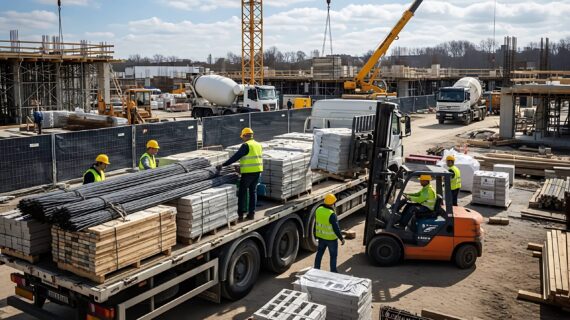
Material prices remain volatile, and labour is in short supply. Delays add cost on site and extend schedules. Design changes during construction increase expenses. Poor procurement and unclear scopes create waste.
External factors such as inflation and supply chain pressures also contribute. Data shows inflation and cost pressures affect consumer and business costs across the Gulf, which filters into construction input prices.
Local official statistics capture changes in construction price indices in the UAE and Saudi Arabia. The Abu Dhabi Construction Cost Index tracks quarterly trends in building cost categories.
But internal project controls matter just as much. You cannot manage what you do not track. So before looking at cost reduction, you need to understand what is driving costs in your projects today.
How to Make a Construction Budget Your Team Will Follow
To reduce cost, you need a budget that isn’t just accurate, but also used by your team. A construction budget only works when it’s clear, practical, and linked to decisions on site.
Everyone on your team needs to understand it. Planners, engineers, buyers, and site supervisors all need to use the same figures and categories. Otherwise, the budget becomes a document no one follows.
What Is Included in a Construction Budget for Reliable Planning?
A reliable construction budget covers all major cost items. It also identifies who is responsible for each one and when they are expected to occur.
Include the following:
- Material costs with up-to-date rates
- Labour costs per trade and hours forecast
- Equipment hire and running costs
- Subcontractor packages
- Site overheads such as electricity, water, waste, and security
- Professional and design fees
- Permits and compliance costs
- Risk contingencies for known and unknown factors
- Testing, commissioning, and quality assurance
- Transport and delivery charges
Break costs into fixed and variable. Tag costs that are confirmed versus those under review. That helps your team understand where savings are possible, and where figures are locked in.
Building on Budget With Realistic Scopes and Contingencies
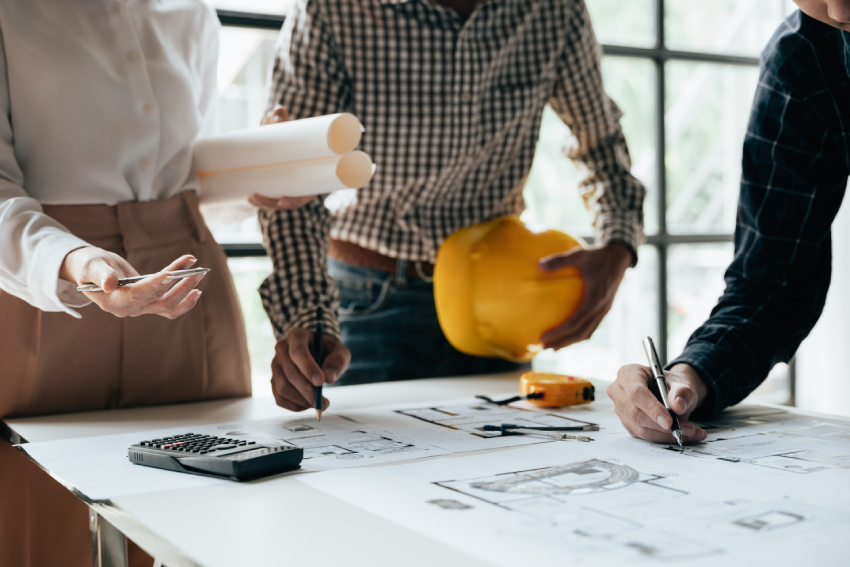
Your budget means nothing if your scope is vague. If you want to succeed at building on budget, you must start with clear, complete, and realistic scopes of work.
Unclear scopes lead to change orders. Change orders add time and cost. Avoid them by defining responsibilities, deliverables, and interfaces clearly from the start.
You also need sensible contingency allowances. Not excessive, but enough to deal with changes and risks that arise.
Construction Cost Control Practices That Keep Spending Predictable
You need cost control that your team can use. That means simple tools, used consistently.
Here’s what works:
- Weekly cost tracking against budget
- Monthly cash flow forecasting
- Pre-approval of all material and labour requests
- Central tracking of subcontractor claims
- Clear cost codes used across all departments
- Alerts for cost overruns on live dashboards
- Formal change request process before approval
- Price lock-in agreements with suppliers
Most projects go over budget not because of one big problem, but many small ones. These cost control habits make your spending more visible and prevent waste from creeping in.
Construction Cost Forecasting To Spot Overruns Months in Advance
Construction cost forecasting helps you act early. If you only react after costs have already increased, it’s too late.
Effective forecasting includes:
- Current spend vs budget
- Forecast to complete
- Estimated final cost
- Variance analysis
- Committed but unpaid costs
- Upcoming risks that may increase spend
Forecasting should be monthly. The more projects you run, the more important this becomes. Your cost forecast should be reviewed by both commercial and delivery teams. Spot trends before they affect your profit margin.
Construction Cost Reduction as a Mindset for Every Project
Construction cost reduction works best when it is part of how you run every project, not a one-off effort. Global construction markets continue to show cost pressure and inflation in 2024, with costs rising across regions and expected to stay elevated. The Global Construction Cost Performance 2024 data shows average construction cost inflation is still present worldwide, even as growth rates vary by region.
That mindset starts with leadership. You need to talk about cost the same way you talk about safety or quality. Set cost targets. Review savings in meetings. Share what works. Encourage ideas that reduce cost without reducing quality.
You also need to use data to show trends and influence decisions. The International Construction Costs 2024 report highlights how ongoing cost pressures and inflation affect global project spending. Monitoring industry forecasts helps your team understand risk and opportunity in planning and execution.
When you normalise cost awareness, your teams begin to look for savings at every stage, from design to site delivery. You shift from reacting to cost issues, to preventing them. You make cost part of every conversation, not an afterthought.
How to Minimise Construction Cost Without Risking Compliance
You can save money without cutting corners. But you need to understand where it’s safe to cut, and where it isn’t.
Try these:
- Standardise finishes and details
- Use pre-approved materials that meet code
- Source from local suppliers to cut transport costs
- Use modular or pre-assembled components
- Avoid rework through proper supervision and training
- Schedule inspections early to avoid programme delays
How to minimise construction cost is about smart choices. Every non-compliant fix costs more later. Don’t skip testing or certification. Instead, design compliance into your plan from day one.
Designing to Reduce Construction Costs From the Very First Sketches
Design is where most costs are locked in. Designing to reduce construction costs doesn’t mean choosing the cheapest option—it means designing with cost awareness.
If you design a building that is hard to build, full of non-standard details or long lead items, you’ll pay for it later. Engage your contractor early. Share budget targets with your consultants.
Ways to Reduce Building Costs Through Early Design Choices
These early-stage choices save real money:
- Stick to regular grids and modules
- Limit custom sizes for glazing, cladding, or joinery
- Use materials with local availability
- Choose construction methods familiar to your labour force
- Reduce complex geometry and structure
- Cluster services to reduce MEP runs
- Use simple finishes that are durable and cost-effective
These ways to reduce building costs are practical and proven. A better design now means fewer site problems later.
Cost Saving in Construction by Improving Day to Day Delivery
Cost saving in construction isn’t only about design and contracts. Most waste happens on site. How your teams plan and deliver work matters.
You can reduce cost just by improving how your site runs each day.
Construction Site Efficiency Habits That Protect Your Margins
Site teams must build efficiently. These small habits can make a big difference:
- Daily briefings with clear targets
- Well-organised storage areas
- Clear walkways and safety paths
- Tool and equipment maintenance
- Scheduled material deliveries, not bulk drops
- Fewer idle hours due to waiting for materials or instructions
- Visual trackers to monitor progress daily
These construction site efficiency habits protect your margin. Waste less time. Reduce rework. Keep your programme on track.
Construction Tips for Contractors Who Are Serious About Cost and Quality
Contractors who control cost well share similar habits:
- Review actual vs budget weekly
- Involve site supervisors in procurement planning
- Sign off every subcontractor variation with evidence
- Use quality checks to reduce defects
- Avoid early bulk orders that tie up cash
- Share material prices across projects
- Keep records and report savings to clients
If you’re serious about construction tips for contractors, focus on execution. Better decisions during procurement, delivery, and closeout protect your margin.
Tracking Construction Cost Savings Across Multiple Jobs
If you’re a contractor or consultant handling multiple projects, you need to measure construction cost savings over time.
Use the same methods and metrics across projects. That way, you can compare performance, identify patterns, and make better decisions.
Project Cost Saving Metrics To Report Back to Owners
Clients want proof. Don’t say you saved money—show it.
Use these metrics:
- Budget vs actual spend (per trade and overall)
- Forecast accuracy (difference between forecast and final cost)
- Number and value of variations
- Labour productivity (work done per hour or per cost)
- Material waste rates
- Time lost to rework
- Spend per square metre or per unit
- Supply chain performance scorecards
This kind of project cost saving data improves client trust and helps win repeat work.
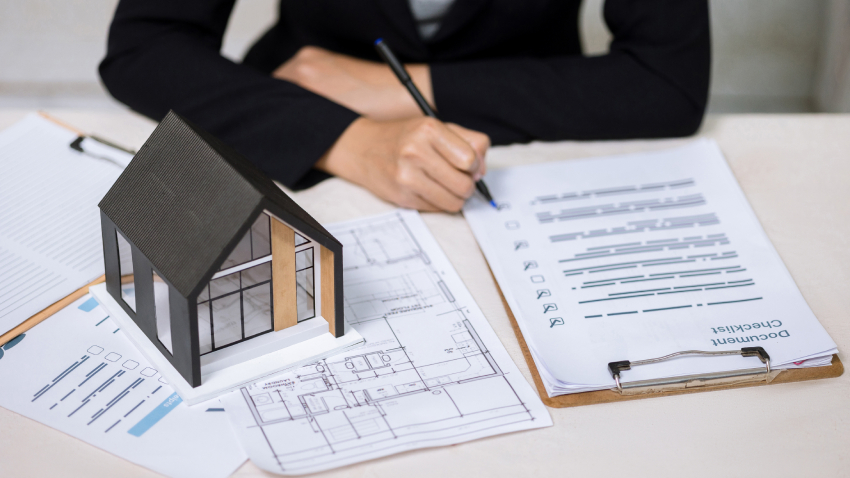
Your buying strategy affects your cost. Knowing how to save on construction costs means making smarter decisions in procurement.
Avoid panic buying. Avoid storing excess materials on site. Avoid sourcing from too many different vendors. Build procurement into your programme and align it with your budget.
How to Reduce Building Construction Cost With Supplier Collaboration
Work with suppliers, not just against them.
Here’s how:
- Share your project pipeline so they plan stock
- Agree on payment terms that reward on-time delivery
- Ask for long-term pricing when buying in volume
- Review past performance with each supplier
- Include suppliers in early design or technical reviews
- Buy grouped packages to reduce admin and delivery cost
This is how to reduce building construction cost in a practical way. Good supplier relationships lead to better pricing and fewer delays.
Implementing These Different Ways to Reduce Construction Cost
You’ve now seen clear, specific ways to reduce construction cost. Start with what’s within your control.
- Write clearer scopes
- Build better budgets
- Forecast cost monthly
- Design with cost in mind
- Improve daily site habits
- Track savings over time
- Buy smarter
These aren’t theory. These are proven steps that reduce spend without hurting quality or compliance.
If you want to apply these practices across your projects, talk to the team at Mada Gypsum. We support contractors, architects, and project managers with quality building materials and smart systems that align with international standards. Contact us today to discuss your project or access our Product Catalogues to build a better plan.
Learn more about the Mada Gypsum Company now.