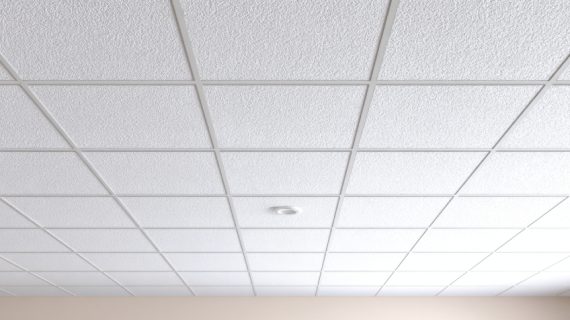

Full Guide to Modern Types of Ceiling Systems and Materials
Ceilings are no longer just structural features. They now serve performance, acoustic, design, and maintenance purposes. With advances in material engineering, modern types of ceiling systems can improve sound control, resist moisture, simplify access to hidden services, and elevate design consistency.
This guide covers essential ceiling system types, including PVC, metal, grid, and acoustic ceilings. It also explains how Mada Gypsum products, like Mada SoundPlus and Mada Acoustical Perforated Plasterboard, meet project needs across commercial, healthcare, residential, and educational sectors.
What Is Acoustical Tiles & How It Improves Sound Control
What is acoustical tiles? These are specially designed ceiling panels that absorb sound and reduce echo. They are vital in spaces where speech clarity and noise reduction are priorities—such as classrooms, hospitals, and open offices. Without proper sound absorption, even visually impressive interiors can become uncomfortable due to noise buildup and reverberation.
Acoustic tiles are made from perforated boards combined with sound-absorbing backing materials such as mineral wool or acoustic fleece. The surface perforations allow sound waves to enter the tile, where the backing absorbs and dissipates the energy, reducing reflected sound in the room.
Mada Gypsum manufactures Mada Acoustical Perforated Plasterboard, engineered with precise perforations and backed with acoustic fleece. These tiles are designed for compatibility with standard grid and concealed ceiling systems. They support both aesthetic and functional goals in interior design.
Key Benefits:
- Reduce sound reflection and echo: Acoustic tiles help lower the reverberation time (RT60) in a room, creating a calmer sound environment.
- Improve privacy in shared spaces: In open-plan offices or healthcare spaces, limiting sound transmission improves confidentiality and comfort.
- Enhance speech clarity: In schools, boardrooms, and auditoriums, proper acoustics improve communication by minimizing sound distortion.
- Contribute to LEED or other green certifications: Acoustic panels can support environmental building standards through recycled content, low VOC emissions, and enhanced indoor environmental quality (IEQ).
Mada Gypsum’s acoustic ceiling tiles are available in various perforation patterns and finishes to meet design preferences without compromising performance. Options include square, round, and slotted perforations, each tested for specific acoustic response.
Mada SoundPlus panels are also available for both walls and ceilings. These panels combine gypsum core strength with high acoustic efficiency. They are tested for Noise Reduction Coefficient (NRC) values up to 0.90 depending on installation and backing material. NRC values represent the amount of sound a material absorbs, where 0 is reflective and 1 is fully absorbent.
In high-performance environments like lecture halls, patient rooms, and collaboration spaces, Mada SoundPlus and Mada Acoustical Perforated Plasterboard offer the acoustic performance needed to meet both functional and regulatory requirements. These panels are easy to install, maintain, and integrate with lighting and HVAC systems, making them a reliable part of any modern ceiling strategy.

What Is Ceiling Grid and How It Shapes Modern Ceilings
If you’re asking, what is ceiling grid? It’s the metal framework used to hold ceiling tiles in place. Grid ceilings are the most common modular systems in commercial buildings, offering easy maintenance and access to services above the tiles.
There are different types of grid systems:
- Exposed T-grid: Most common; visible and easy to install
- Concealed grid: For a flush look
- Semi-concealed: Offers some design flexibility
Mada Gypsum’s grid ceiling systems are compatible with standard tile sizes (600×600 mm, 600×1200 mm) and are designed for durability, fire resistance, and precise alignment.
Why use a ceiling grid?
- Fast installation
- Allows tile replacement without full ceiling removal
- Supports lighting, air diffusers, and sprinklers
- Matches with acoustic and PVC tiles
What Is PVC Ceiling and Why It’s a Smart Interior Choice
What is PVC ceiling? It’s a panel-based ceiling system made from polyvinyl chloride. These tiles are lightweight, water-resistant, and quick to install. PVC ceilings are widely used in both commercial and residential projects where hygiene, durability, and ease of maintenance are priorities.
Unlike traditional gypsum or metal tiles, PVC ceiling panels are non-porous and do not absorb moisture. This makes them particularly effective in spaces exposed to high humidity or regular cleaning cycles. Their smooth surface helps resist mold, mildew, and staining.
PVC ceilings are best for:
- Kitchens: Steam and cooking fumes won’t damage the surface
- Bathrooms: Resists water splashes and humidity without sagging
- Commercial washrooms: Easy to clean and maintain
- Humid environments: Including basements, laundry rooms, and changing areas
These panels also offer a practical solution for environments where long-term durability and low upkeep are needed. Because they don’t warp or corrode, PVC ceilings can retain their appearance over many years with minimal effort.
Benefits of PVC ceilings:
- No rust or corrosion: Unlike metal or untreated materials, PVC doesn’t react to moisture
- Easy cleaning with standard detergents: A damp cloth and mild soap are enough to keep the surface clean
- Available in gloss, matte, or textured finishes: Adaptable to various interior styles and lighting effects
- Compatible with T-grid and direct-fix systems: Flexible installation options for new builds or renovations
Mada Gypsum supplies PVC facing tiles that combine clean design with tested performance. These tiles are available in standard ceiling sizes and are compatible with other ceiling systems for consistent integration across mixed-use spaces.
Our PVC panels also meet basic fire safety and hygiene standards, making them suitable for public, commercial, and semi-industrial applications. For example, in food service or healthcare areas, where both hygiene and quick maintenance are essential, PVC ceilings provide a cost-effective and practical solution.
They also work well in fast-track projects, due to their ease of handling and reduced installation time. If you need to maintain a consistent design across different areas—dry zones and wet zones—PVC tiles offer a coordinated look while solving different performance needs.
Plasterboarding: The Core of High-Performance Wall Systems
“High-performance” has become a meaningless buzzword. Real high-performance comes down to measurable outcomes: fire resistance ratings, acoustic performance, thermal properties, durability, and moisture management. These aren’t marketing concepts—they’re engineering specifications that determine whether a building performs as designed.
The plasterboarding process is where high-performance systems succeed or fail. It’s about creating a continuous system that manages air movement, moisture transfer, thermal bridging, and structural loads while maintaining fire resistance and acoustic performance.
Substrate preparation is where many installations go wrong. Framing must be properly aligned and braced. Thermal bridging through metal studs needs addressing. Air sealing details must be planned and executed correctly. These aren’t drywall issues—they’re system issues affecting entire wall assembly performance.
Joint compound selection and application technique matter more in high-performance systems. Standard compounds work fine for basic applications, but high-performance systems often require specialized compounds that maintain properties under different environmental conditions.
What separates actual high-performance systems from marketing claims is testing and verification. Real systems have documented test results and manufacturers who can tell you exactly how their system performs under specific conditions.
But high-performance systems aren’t always the right choice. They cost more, require skilled installation, and deliver benefits that may not be necessary. The key is understanding what performance characteristics actually matter for your specific project.
Mold in Walls: Prevent Humidity and Protect Interior Spaces
Mold has become the boogeyman of construction, generating more fear than facts. The magic number for mold prevention is 60% relative humidity. Above that, mold growth becomes likely. The ideal range is 30-50%, with the sweet spot around 35-45%.
But humidity control isn’t just about room air—it’s about moisture management throughout the entire wall system. Vapor barriers are the most misunderstood component. In cold climates, they go on the warm side. In hot, humid climates, they may need to go on the exterior side. Many contractors install them the same way regardless of climate, creating the moisture problems they’re supposed to prevent.
Material selection plays a bigger role than most realize. Mold needs organic material to grow on, which is why paper-faced gypsum board can be problematic in high-moisture environments. Mold-resistant gypsum board uses fiberglass facing, eliminating the food source mold needs.
Air sealing is often more important than vapor barriers for mold prevention. Air carries moisture, and air leaks can transport much more moisture into wall cavities than vapor diffusion through materials.
Here’s the reality check: most mold problems result from water leaks, not humidity control failures. Rapid response to water intrusion is more important than expensive mold-resistant materials in most applications.
The Most Common Drywall Installation Mistakes to Avoid
Every contractor has a drywall disaster story. Most failures come down to installation mistakes everyone makes but nobody admits.
The biggest mistake is inadequate edge support, particularly at inside corners. Inside corners need proper backing, sized and positioned correctly. Inadequate support means corners that crack within the first year and callbacks that cost more than prevention.
Fastener depth is another critical issue. Screws need to be just below the surface without breaking the paper facing. Too shallow, and screw heads telegraph through finish. Too deep, and you’ve compromised holding power. The problem is that “just below the surface” is a feel thing that comes with experience.
Measurement and cutting mistakes compound throughout installation. A sheet cut 1/8″ too short creates a gap requiring joint compound fill. That joint is weaker, more likely to crack, and takes more time to finish properly. Multiply that by hundreds of sheets, and small errors become major problems.
Joint alignment matters too. Butt joints should be staggered, not aligned, to prevent long continuous joints prone to cracking. T-joints should be avoided where possible.
Quality control during installation could prevent most problems. Simple checks—fastener depth, joint alignment, edge condition—take minutes but prevent hours of remedial work later.
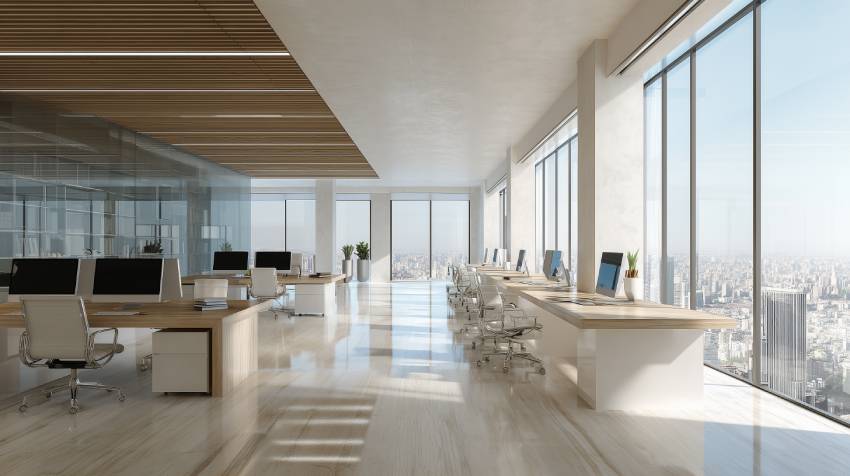
What Is Metal Ceiling and Why It’s Ideal for Modern Spaces
What is metal ceiling? It’s a ceiling system made from aluminum or galvanized steel tiles or planks. Metal ceilings are highly durable, cleanable, and resistant to impact and moisture.
Used in:
- Airports
- Metro stations
- Cleanrooms
- Laboratories
- High-end lobbies
Metal ceiling types:
- Lay-in tiles for exposed grids
- Clip-in or hook-on tiles for concealed systems
- Linear panels for continuous aesthetics
Mada Gypsum supplies metal ceiling systems that meet ISO and ASTM standards. Metal tiles are available in multiple sizes, finishes, and perforation patterns for acoustic enhancement.
Advantages:
- Long lifespan
- Recyclable
- Compatible with air and lighting systems
- Low maintenance
Pair with Mada SoundPlus backing to increase sound absorption in open or high-traffic environments.
What Is an Access Panel? Hidden Essentials for Modern Design
Many ask, what is an access panel? It’s a small opening within a ceiling or wall that allows access to electrical, plumbing, HVAC, or other service systems. Panels are flush with the surface and are usually paintable or covered with the same finish as the ceiling.
Access panels are used in:
- Gypsum ceilings
- Drywall partitions
- T-grid systems
Mada Gypsum offers fire-rated and standard access panel options compatible with gypsum and tile ceilings.
Why include access panels?
- Meet fire and MEP access codes
- Enable maintenance without damaging the wall or ceiling
- Maintain clean ceiling aesthetics
- Available with hidden hinges and lockable options
Access panels are essential in healthcare, education, and hospitality projects where quick, discreet access is important.
What Are Acoustic Ceiling Tiles? Exploring Sound Design
What are acoustic ceiling tiles? These are specialized ceiling panels designed to manage sound within a room by absorbing or diffusing unwanted noise. Their main role is to improve acoustics by reducing echo, improving speech clarity, and creating a more comfortable auditory environment. They’re especially important in public, commercial, and educational spaces where sound quality directly affects performance and comfort.
Unlike regular ceiling tiles, acoustic ceiling tiles are engineered for acoustic performance. They come in a variety of core materials and surface finishes tailored to different environments and requirements.
What are acoustic ceiling tiles made of?
- Gypsum (with or without perforations): Ideal for clean visual design and reliable fire performance. Perforated versions enhance sound absorption.
- Mineral fiber: Offers excellent absorption and is widely used in commercial office settings.
- Metal (with acoustic backing): Durable and cleanable, often used in transport terminals and healthcare.
- Wood composite (in specialty areas): Adds warmth and acoustic control in high-end environments like auditoriums or theaters.
Mada Gypsum offers acoustic products such as Mada Acoustical Perforated Plasterboard and Mada SoundPlus, designed to meet acoustic performance targets without sacrificing design. These products are compatible with both exposed T-grid and concealed systems.
Acoustic ceiling tiles sound absorption
Performance is measured using NRC (Noise Reduction Coefficient). This scale ranges from 0 to 1:
- 0 = reflects all sound
- 1 = absorbs all sound
Mada SoundPlus and Mada Acoustical Perforated Plasterboard achieve NRC ratings from 0.60 to 0.90, depending on perforation pattern, tile thickness, and acoustic backing used. These ratings are ideal for improving speech clarity and reducing sound reverberation in shared spaces.
Types of acoustic ceiling tiles:
- Moisture-resistant acoustic ceiling tiles: Designed for high-humidity areas like bathrooms and kitchens.
- Metal acoustic ceiling tiles with high durability: For transit stations, cleanrooms, or labs.
- Sustainable acoustic ceiling tiles with recycled content: Help meet LEED or other environmental building standards.
Acoustic ceilings are vital in:
- Boardrooms: Improve communication during meetings
- Classrooms: Reduce distractions and enhance learning
- Medical examination rooms: Support patient privacy and calm
- Auditoriums: Control reverberation for clear audio projection
Choosing the Right Ceiling System
Choosing the right ceiling system depends on use, maintenance needs, budget, and performance requirements. Here’s a summary of where each system fits best:
| Ceiling Type | Best For | Key Benefits |
| Acoustical Tiles | Offices, schools, hospitals | Sound control, design flexibility |
| Grid Ceilings | Commercial interiors | Fast access to services, modular layout |
| PVC Ceilings | Washrooms, kitchens, humid areas | Water-resistant, low maintenance |
| Metal Ceilings | Airports, transport, cleanrooms | Impact resistant, long lifespan |
| Access Panels | Any service area | Quick system access without damage |
| Acoustic Tiles | Meeting rooms, healthcare, classrooms | Noise reduction, privacy, comfort |
Mada Gypsum provides all of the above, backed by performance data, installation guides, and design assistance.
If you’re working on a project in Saudi Arabia or the GCC, and need help selecting ceiling types for different applications, contact us for recommendations, product samples, and technical documentation.